When Google Doesn't Get It: Designing Beautiful Sites That Actually Rank
There's a particular kind of heartbreak that happens when a stunning website launches to crickets. The typography is chef's kiss. The color palette took three weeks to finalize. The scroll animations? Silky smooth. And yet, three months later, the site barely shows up on page two for its own brand name.
This is the friction between art and algorithm, and it's one of the most undertalked tensions in the entire web design industry.
Search engines are, at their core, text-parsing machines dressed up in increasingly sophisticated clothing. They've gotten smarter, sure — Google can now understand context, intent, and even some nuance. But they still can't feel elegance. They can't appreciate the restraint in a perfectly weighted sans-serif headline or the emotional resonance of a full-bleed image that stops a visitor mid-scroll. What they can do is crawl your code, index your content, and reward — or penalize — decisions you probably thought were purely visual.
The Invisible Tax on Visual Ambition
Let's start with the most common offender: the image-heavy, text-light homepage.
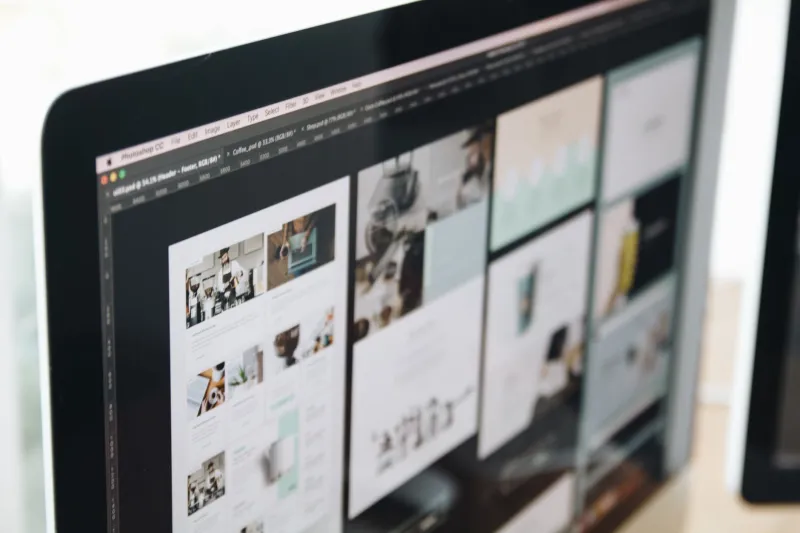
Designers love a clean, editorial-style landing page. Big visuals. Minimal copy. Plenty of breathing room. It looks incredible on Behance. It photographs well for Instagram. And it often performs terribly in organic search.
Why? Because Google is essentially reading your page like a document. If that gorgeous homepage hero section is a full-screen image with your value proposition baked into the graphic — not the HTML — Google sees a blank space where your message should be. No crawlable text, no keyword signal, no context. Just pixels.
The same issue crops up with icon-heavy navigation, text embedded in video backgrounds, and interactive elements built entirely in JavaScript frameworks that search bots struggle to render properly. Each of these is a design pattern that can look incredible to human eyes while being nearly invisible to the algorithm.
When Animation Becomes a Liability
Scroll-triggered animations, parallax effects, and entrance transitions are legitimate design tools. Used well, they add rhythm and personality to a browsing experience. Used carelessly, they can tank your Core Web Vitals — Google's performance-based ranking signals — before a user even gets to your content.
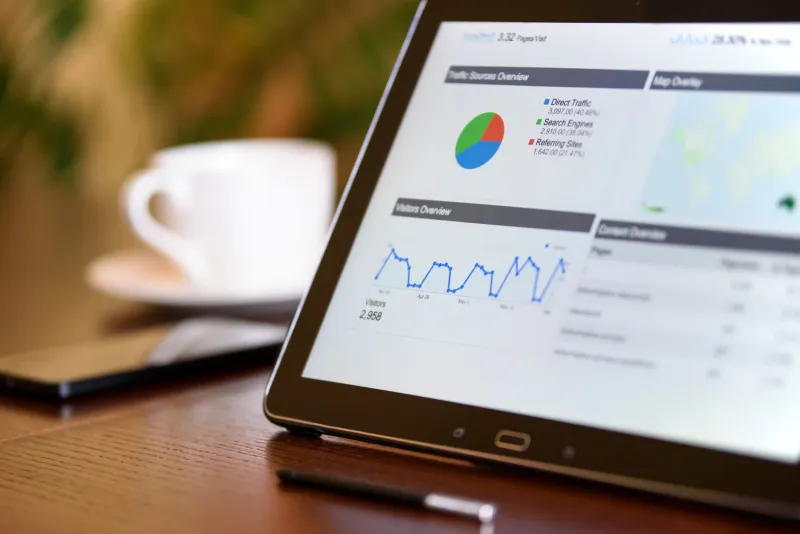
Large Layout Shift (CLS) scores tank when elements animate into position and push other content around. Slow loading JavaScript bundles inflate your Largest Contentful Paint (LCP) time. These aren't abstract technical metrics — they're Google's way of measuring whether your site feels fast and stable to real users. And they directly affect where you land in search results.
The fix isn't to abandon animation. It's to be intentional about how you implement it. CSS animations are generally lighter than JavaScript-driven equivalents. Lazy loading images below the fold helps. And reserving space for elements before they animate in can prevent that jarring layout shift that costs you both ranking points and user trust.
Structural Beauty: The Design Decisions That Help Both Humans and Bots
Here's the genuinely exciting part of this conversation: some of the best design decisions for SEO are also excellent design decisions, full stop.
Clear visual hierarchy — the kind built from strong typographic contrast and deliberate heading structure — maps almost perfectly onto good semantic HTML. When your H1 is actually your most important headline, your H2s organize supporting sections, and your body text does the heavy lifting of communicating value, you've simultaneously created a readable, well-structured page and given Google exactly the content architecture it needs to understand your site.
Same goes for descriptive link text. "Learn more" is a design cliché that also happens to be an SEO dead end. "See our portfolio of e-commerce redesigns" tells both the user and the search engine something meaningful. It's a small change with outsized returns.
Alt text on images is another place where accessibility, aesthetics, and SEO converge. Writing accurate, descriptive alt text for every meaningful image doesn't clutter your design — it lives entirely in the code. But it helps visually impaired users, gives Google context for your visual content, and can even earn you traffic through image search.
Learning from Sites That Got Both Right
Brands like Mailchimp and Squarespace have long threaded this needle well. Their sites are visually confident — playful, even — while maintaining solid search performance. The secret isn't compromise. It's integration. Their design teams and SEO teams (or the individuals wearing both hats) work from shared constraints rather than competing priorities.
Smaller studios and independent designers can do the same. The key is treating SEO not as an afterthought bolted on after launch, but as a set of structural requirements that inform design decisions from the wireframe stage forward.
The Practical Path Forward
If you're a designer who's been handed a beautiful comp and told to "just make sure it ranks," here's a starting framework:
Audit your text. Can a search engine read every meaningful piece of content on the page, or is critical information locked inside images and video? If it's the latter, find a design solution that surfaces that text in HTML.
Test your performance. Run your designs through Google's PageSpeed Insights before launch, not after. Catching a bloated animation library early is a one-hour fix. Fixing it after a client has signed off on the live site is a week-long negotiation.
Use heading tags like a designer, not a developer. Your H1 should be the visual anchor of the page and the semantic anchor. They should be the same thing.
Write for humans, structure for machines. The best SEO copy doesn't read like keyword stuffing — it reads like a confident, knowledgeable brand voice. Great copywriting and smart keyword strategy are more compatible than most designers assume.
Beauty and discoverability aren't opposites. They're just disciplines that need to be introduced to each other earlier in the process. When they finally meet, the result is something genuinely rare: a website that earns attention from both people and algorithms — and keeps it.